
If you’re a guest with nonrefundable prepaid costs, buy a travel insurance plan that includes trip cancellation and interruption before your final payment is due. If you’re an owner renting your property on Vrbo, Airbnb, or a direct-booking site, your standard homeowners policy almost certainly won’t cover a guest injury or damage claim, and you need a dedicated short-term rental (STR) policy or a commercial endorsement before your first booking goes live.
Guests: three actions to take now
-
Buy travel protection within 14–21 days of your initial trip deposit to qualify for pre-existing condition waivers and cancel for any reason (CFAR) add-ons.
-
Save every receipt, booking confirmation, and cancellation policy screenshot before you travel.
-
Check whether your personal homeowners or renters policy covers off-premises personal property — it often does, but sublimits apply.
Owners: three actions to take now
-
Call your current insurer today and ask, in writing, whether your policy covers short-term rental activity. Most don’t.
-
If your carrier won’t add an explicit STR endorsement, get quotes from STR-specialty carriers like Proper Insurance before your next guest checks in.
-
Document your property with timestamped photos and a written inventory before every stay.
The Insurance Information Institute’s March 2026 report confirms that homeowners policies frequently exclude commercial short-term rental activity, leaving owners exposed to denied claims and nonrenewal risk.
Table of Contents
-
What does vacation rental insurance cover for guests vs. owners?
-
Why your homeowners policy probably won’t protect you as an STR host
-
How much does vacation rental insurance cost, and when do you buy it?
What does vacation rental insurance cover for guests vs. owners?
The term “vacation rental insurance” covers two very different products depending on who’s buying. Guests need trip-level protection. Owners need property-level protection. Mixing them up is one of the most common and costly mistakes in this space.
| Dimension | Guest (traveler) | Owner (host) |
|---|---|---|
| Best for | Protecting prepaid, nonrefundable trip costs | Protecting the property, liability, and rental income |
| What it covers | Trip cancellation/interruption, emergency medical, baggage, CFAR | Structure, contents, guest damage, premises liability, loss of rental income |
| Coverage limits | Typically 100% of insured trip cost; medical $50K–$500K+ | Property at replacement cost; liability $300K–$1M+ |
| Typical cost | Roughly 4%–10% of total prepaid trip cost | Varies widely; STR-specific policies often run $2,000–$3,000/year according to industry guides and insurer reports. |
| Claims process | File with travel insurer; receipts and medical records required | File with STR or commercial carrier; photos, guest communications, invoices |
| Platform interaction | Platform guest guarantees are limited and rarely cover personal items | Platform host programs are supplemental, not primary insurance |
Guest priorities at a glance:
-
Trip cancellation and interruption (the most-used benefit)
-
Emergency medical and evacuation coverage, especially for international or remote destinations
-
Baggage loss or delay
-
Rental lockout or rental unit uninhabitable coverage
-
CFAR add-on when flexibility matters most
Owner priorities at a glance:
-
Structure and contents at full replacement cost
-
Guest-caused damage beyond a security deposit
-
Premises liability for pools, hot tubs, and outdoor amenities
-
Loss of rental income when a covered event forces cancellation
-
Compliance with local licensing requirements that may mandate minimum liability limits
What do the main coverage types actually pay?
Property and contents
Owner policies cover the physical structure and its contents against named perils or, on “all-risk” forms, any cause not explicitly excluded. Proper Insurance, one of the few STR-native carriers, offers all-risk property forms designed to replace a standard homeowners policy entirely for short-term rental use. Typical replacement-cost coverage for a Gulf Coast vacation home runs from $300,000 to well over $1 million depending on size and finishes.
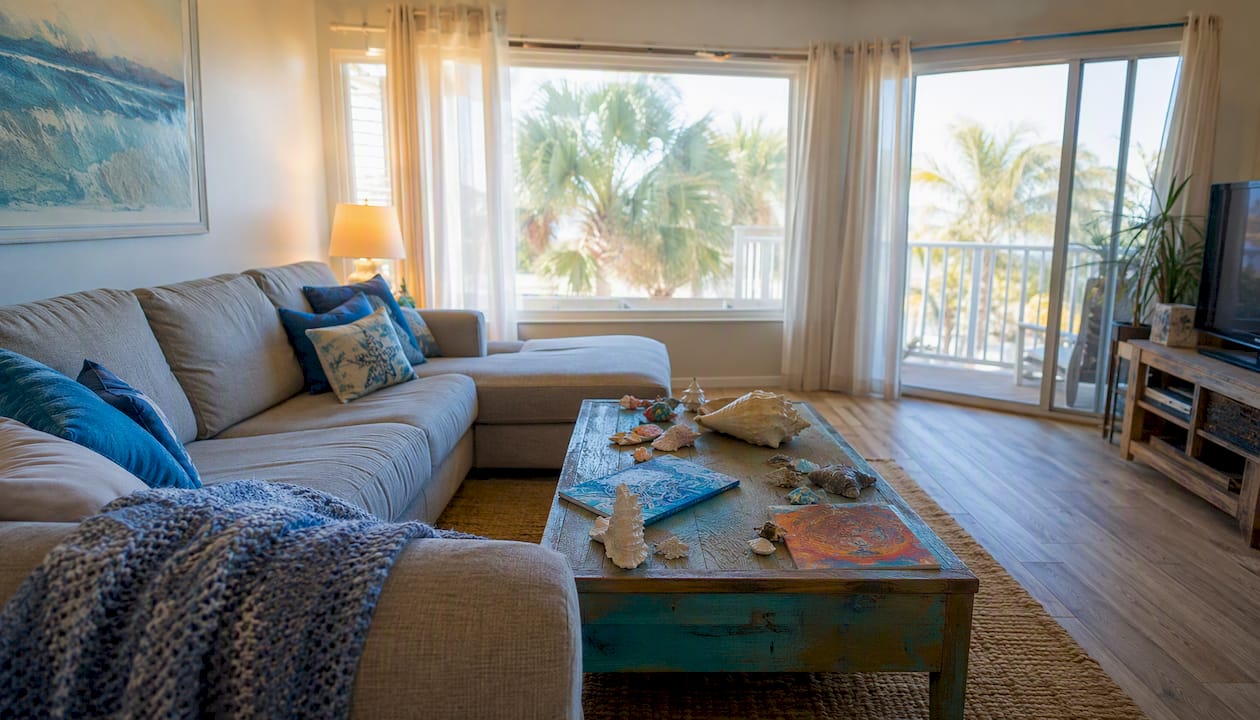
Guest-caused damage is a separate question. Standard property forms treat guest damage as a covered loss only when it meets the policy’s damage threshold and isn’t classified as normal wear and tear. Scuffed walls are wear and tear. A broken sliding glass door is a covered claim.
Liability
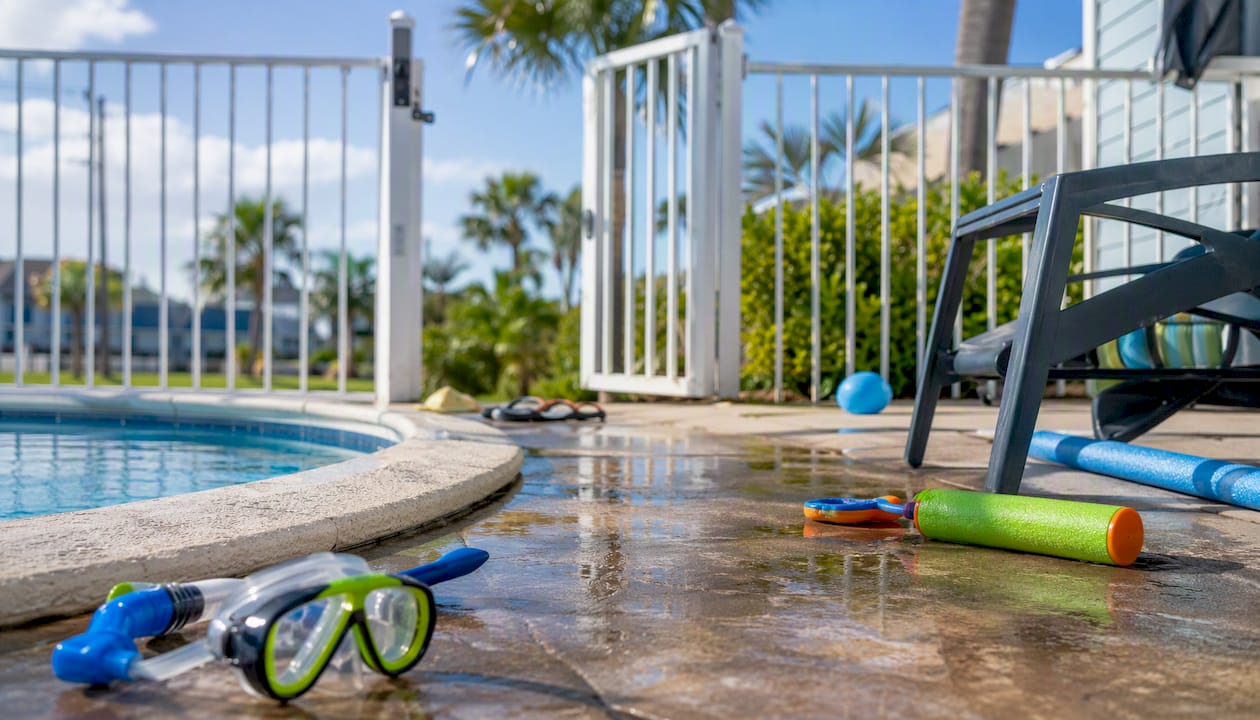
For owners, liability coverage pays legal defense costs and settlements when a guest or visitor is injured on the property. The 1-800-INSURANCE STR guide notes that pools and hot tubs materially increase liability exposure, and some local ordinances require $500,000–$1,000,000 in liability limits as a condition of operating legally. If you list a vacation rental with a private pool, $1 million in primary liability is a reasonable floor, not a ceiling.
Travel insurance components for guests
Travel Guard (AIG) and Trawick International both offer trip-level plans that cover prepaid, nonrefundable rental costs. Generali Global Assistance markets plans specifically for vacation rental travelers, including lockout and rental inconvenience benefits that most standard travel policies skip. Faye appears in market comparisons as a newer entrant with a mobile-first claims experience. Key components:
- Trip cancellation: — reimburses 100% of insured nonrefundable costs for covered reasons (illness, death in family, natural disaster)
Why your homeowners policy probably won’t protect you as an STR host
The NAIC’s consumer guidance is direct: homeowners policies are written for owner-occupied residences, and business-pursuit exclusions routinely apply when a property is rented out regularly. This isn’t a technicality. It’s the reason claims get denied.
The Insurance Information Institute’s 2026 report documents three specific insurer responses to undisclosed STR activity: outright claim denial, policy nonrenewal at the next anniversary, and rescission of coverage if the carrier determines the business use was material and undisclosed. All three outcomes leave the owner personally liable for damages, legal fees, and lost income.
Steps every owner must take before listing:
-
Contact your current carrier in writing and ask whether your policy covers short-term rental activity.
-
Request a written response, not just a verbal confirmation from a call center agent.
-
If the carrier offers an endorsement, read the exact language. “Occasional rental” endorsements may not survive a claim if your booking calendar looks like a business operation.
-
If the carrier declines to cover STR use, get quotes from STR-specialty carriers or a commercial lines broker before your first guest arrives.
Pro Tip: Per FitSmallBusiness guidance, endorsements for “occasional” rentals can be insufficient when rental frequency looks like a business. Insist on explicit STR language in writing, and keep that document with your policy files.
Condo owners face an additional layer. A master association policy typically covers the building shell but not your unit’s interior or your liability as a host. If you own a Panama City Beach condo rental, confirm exactly where the master policy ends and where your individual coverage must begin.
U.S. News & World Report’s short-term rental insurance guide puts it plainly: if you rent your home at all, even occasionally, most homeowners policies won’t cover renter-caused losses.
How do platform protections compare to private insurance?
Vrbo’s host guarantee programs and Airbnb’s AirCover are useful, but they are not insurance in the traditional sense. They are reimbursement programs with their own exclusions, caps, and timelines, and they are almost always secondary to any private policy you hold.
| Feature | Platform programs (Vrbo, Airbnb) | Private STR insurance |
|---|---|---|
| Legal status | Guarantee or reimbursement program | Licensed insurance contract |
| Property damage | Limited; excludes high-value items, acts after checkout | Covered up to policy limits |
| Liability | Some host liability protection; exclusions apply | Primary liability at stated limits |
| Natural disasters | Generally excluded | Covered on all-risk forms |
| Lost rental income | Not covered | Available as a named coverage |
| Guest personal items | Not covered | Not covered (guest’s own policy applies) |
| Claims path | Through platform portal; platform decides | Through licensed insurer; state-regulated |
| Payment order | Secondary to private insurance | Primary |
Platform programs fill narrow gaps quickly, which has real value. But they don’t replace an underlying STR-appropriate building policy, and they don’t protect against the scenarios that cost owners the most: a serious liability claim, a natural disaster, or a week of lost bookings after a covered loss.
For guests, platform guarantees rarely cover personal belongings. A guest’s own homeowners or renters policy often follows them off-premises, but off-premises sublimits commonly apply at 10% of the personal property coverage limit. That means a guest with $50,000 in personal property coverage may have only $5,000 in off-premises protection, per Olive Cover’s guest insurance guidance. Check your own policy before assuming you’re covered.
For a broader look at how booking platforms handle guest protections, the best vacation rental sites guide walks through what each platform typically offers.
How much does vacation rental insurance cost, and when do you buy it?
Owner costs
Specialized STR policies typically cost more than a standard homeowners policy. Industry guides report annual premiums in the range of $2,000–$3,000 for a typical vacation rental, though properties with pools, hot tubs, or high replacement values run higher. A hot tub listing, for instance, may warrant a review of amenity safety standards; resources like Hotel Hot Tubs outline the safety and liability considerations that apply to hosted amenity rentals.
Major cost drivers for owners:
-
Property replacement value and location (coastal properties carry higher wind/flood exposure)
-
Amenity risk: pools, hot tubs, kayaks, and ATVs each add liability exposure
-
Rental frequency and occupancy rate
-
Liability limit selected ($300K vs. $1M makes a meaningful premium difference)
-
Loss-of-rental-income limit and waiting period
Guest costs
Travel insurance for a vacation rental trip typically runs 4%–10% of total prepaid trip costs. A $3,000 beach rental with flights and activities insured at 6% costs roughly $180. Adding CFAR typically increases the premium by 40%–50% above the base plan cost.
Timing rules that matter:
-
Buy travel insurance within 14–21 days of your initial trip deposit to qualify for CFAR and pre-existing condition waivers (exact windows vary by insurer).
-
Coverage for a named storm or hurricane warning is only available if you buy before the storm is named. Buying after a storm forms provides no cancellation benefit for that event.
-
STR owner policies are effective immediately or within 24–48 hours of binding; there is no waiting period for property coverage once the policy is in force.
How to buy the right coverage: a step-by-step checklist
For owners
- Compare STR-specialty carriers — Proper Insurance and similar STR-native carriers offer all-risk forms that consolidate property, liability, and income coverage in one policy.
Pro Tip: Ask your broker for the exact policy form number and endorsement language in writing. A verbal “yes, you’re covered” from a carrier representative is not binding. Keep the written confirmation with your policy documents.
For guests
-
Ask the host or property manager: “Do you carry STR-specific liability insurance, and can you provide the carrier name?”
-
Check your own homeowners or renters policy for off-premises personal property sublimits and liability coverage away from home.
-
Compare travel insurance plans on coverage limits, not just price. Match the plan’s cancellation reasons to your actual risk (weather, health, work).
-
If your trip involves significant nonrefundable costs, consider whether is trip insurance worth it applies to your situation: for Gulf Coast trips during hurricane season (June–November), the answer is almost always yes.
Questions to ask insurers:
-
Does this policy cover short-term rental activity explicitly?
-
What is the per-occurrence liability limit, and does it cover amenity-related injuries?
-
Is guest-caused damage covered, and what is the deductible?
-
Does the policy include loss of rental income, and what is the waiting period?
-
Are natural disasters (wind, flood) included, or do I need a separate policy?
How to document claims and avoid common denials
Most common STR claims
-
Guest property damage (furniture, appliances, fixtures)
-
Slip-and-fall injuries on decks, stairs, or pool areas
-
Theft by guests or during vacant periods
-
Water damage from guest negligence (overflowed tubs, unreported leaks)
-
Trip cancellation for guests due to illness, weather, or family emergency
Why claims get denied
- Undisclosed rental activity — The carrier finds out the property was rented and invokes the business-pursuit exclusion.
What should guests and owners actually do right now?
Guests:
-
If your trip has more than $1,000 in nonrefundable costs, buy a travel insurance plan. For Gulf Coast trips from June through November, add CFAR.
-
If you’re booking a last-minute trip with minimal nonrefundable exposure, your credit card travel benefit or personal renters policy may be enough.
-
Always check what the host’s cancellation policy covers before assuming insurance is unnecessary.
Owners:
-
Entire-home STR hosts renting more than occasionally: get a dedicated STR or commercial policy before your next booking.
-
Condo owners: confirm where the master association policy ends and buy individual coverage for your unit’s interior and your host liability.
-
Shared-space hosts renting a room occasionally: at minimum, get a written STR endorsement from your current carrier and confirm it uses explicit STR language.
-
When your total asset exposure (property value plus liability risk) grows, add a commercial umbrella. The incremental cost is low relative to the protection it adds.
If you’re unsure which path fits your situation, a licensed independent insurance broker who specializes in short-term rentals is the fastest way to get the right answer for your specific property and location.
Key Takeaways
Guests with nonrefundable prepaid costs need travel insurance; owners renting short-term need an STR-specific policy or commercial endorsement because standard homeowners coverage almost never applies.
| Point | Details |
|---|---|
| Guests: buy early | Purchase travel insurance within 14–21 days of your initial deposit to qualify for CFAR and pre-existing condition waivers. |
| Owners: homeowners gap is real | Standard homeowners policies exclude business-pursuit activity; STR hosts risk claim denial, nonrenewal, or rescission without explicit STR coverage. |
| Platform programs are supplemental | Vrbo and Airbnb host programs are reimbursement guarantees, not insurance, and pay secondary to any private policy. |
| STR policies cost more but cover more | Dedicated STR policies typically run $2,000–$3,000 annually and consolidate property, liability, and loss-of-rental-income coverage. |
| Panamacitybeachflorida listings | Panama City Beach Vacation Rentals connects guests and owners in a market where Gulf Coast weather and amenity risks make the right insurance coverage especially worth confirming before booking or listing. |
The coverage gap nobody talks about until it’s too late
Most of the conversation around vacation rental insurance focuses on what to buy. The more useful question is what happens when you don’t buy the right thing and a claim lands.
Owners who rely on platform damage programs often discover the exclusions only after a serious incident. A guest breaks a wrist on a pool deck, the owner files with the platform, and the platform declines because the injury falls under liability, not property damage. The owner’s homeowners carrier declines because the property was rented commercially. The owner is now personally funding a legal defense.
The same gap exists on the guest side, just less dramatically. A family books a $4,000 Gulf Coast rental during hurricane season, skips travel insurance because the platform has a “flexible” cancellation policy, and then finds out that “flexible” means a credit, not a refund, when a named storm forces evacuation. CFAR would have covered it. The platform’s policy didn’t.
The fix is straightforward: owners need written confirmation of STR coverage before the first guest arrives, and guests with meaningful nonrefundable costs need a travel plan that matches their actual risk. Neither is complicated to get. Both are easy to skip until it matters.
Planning a Panama City Beach vacation rental stay?
There are solid insurance options out there, including Travel Guard, Proper Insurance, Trawick International, and Generali Global Assistance, and each one serves a specific need. But before you sort out coverage, you need the right rental.
Panamacitybeachflorida lists beachfront condos, Gulf-front homes, and family-sized properties directly in Panama City Beach, with transparent cancellation policies and direct owner contact so you know exactly what you’re booking and what you need to protect. Browse real inventory, compare properties side by side, and book directly without platform markups. Once you’ve found your rental, you’ll know the exact prepaid costs to insure and the amenities to ask your insurer about.
Start with the property, then get the coverage right. Browse Panama City Beach vacation rentals and confirm your dates before peak season fills the calendar.
Useful sources
The following sources informed this guide and are worth bookmarking for deeper reading or to share with your insurance broker.
-
Specialized Vacation Rental Insurance for Owners — Proper Insurance
-
Short-term rental insurance: What hosts need to know — U.S. News & World Report
-
Short-Term Rental Insurance: What It Covers and the Gaps — Nightlydata
-
Short-Term Rental Insurance Guide (Airbnb/VRBO) 2026 — 1-800-INSURANCE
Local rules vary significantly across Florida counties and municipalities. A licensed independent broker who works with STR hosts is the most reliable way to confirm what your specific property and location require.
Recommended
-
Panama City Beach Vacation Rentals | Homes, Condos, Things To Do
-
Panama City Beach Vacation Rentals | Homes, Condos, Things To Do
About the Author
Joe Godar of the PanamaCityBeachFlorida.com Editorial Team creates destination guides, vacation-planning resources, and local travel content focused on Panama City Beach, Florida.
Our team researches local beaches, vacation rental trends, family activities, restaurants, attractions, events, and direct-booking best practices. Every guide is created to help travelers plan more confidently, experience the best of Panama City Beach, and avoid unnecessary third-party guest service fees.
PanamaCityBeachFlorida.com is part of the Emerald Coast by Owner marketing family, connecting travelers directly with verified vacation rental hosts throughout the Gulf Coast since 2016.
This article was reviewed for accuracy and updated using local destination research and current Panama City Beach vacation rental market insights.