
Start with the Bay County Property Appraiser to pull the owner name, mailing address, and parcel ID for any condo unit, then use Florida’s DBPR managing-entity lookup to find the association or manager who actually handles day-to-day contact. If the unit shows up as an active rental, sending a message through the listing is usually your fastest route to an answer.
TL;DR:
- Bay County records provide the deed holder’s legal name, mailing address, parcel number, and legal description; keep that identifier for later searches.
- In DBPR results, choose the Managing Entity listing rather than Project, then record the association’s MA number, business address, phone number, and complaint history.
- For routine rental questions, use email or an active listing’s inquiry form; send formal records requests by certified mail to the association’s DBPR address.
- Owners may opt out of sharing personal phone numbers and email addresses, while unit owners can inspect official association records through a written request.
- Allow a few business days for a response; failure to produce requested records within statutory deadlines is presumed to be a willful violation.
Table of Contents
- Step 1: Find the owner in Bay County Property Appraiser records
- Step 2: Use the Florida DBPR managing-entity lookup for association contacts
- Step 3: Contact the HOA or property manager the right way
- Alternate routes: listings, building offices, and city directories
- What Florida law allows you to access, and what stays private
- What to expect when reaching out to owners or managers
- Use our site to message owners and managers directly
- FAQ
- Sources
Step 1: Find the owner in Bay County Property Appraiser records
The Bay County Property Appraiser keeps the public tax roll for every parcel in Panama City Beach, and that roll is where ownership searches should begin. Enter the property address or parcel ID into the Bay County Property Appraiser search tool, and you’ll land on a record built from a few key fields.
- Owner name: the legal name tied to the deed, which may be an individual, a trust, or an LLC.
- Mailing address: where tax notices and correspondence actually go, sometimes different from the condo’s street address.
- Parcel number: a unique ID you’ll reuse in other searches.
- Legal description: the formal property description used in county filings.
When the mailing address points somewhere outside Panama City Beach, that’s often a sign the owner lives elsewhere or uses a property manager, and the DBPR lookup in the next step fills that gap.
Pro Tip: Save a screenshot of the parcel record and jot down the parcel ID before you move on. You’ll need both if you end up sending a formal written request later.
Step 2: Use the Florida DBPR managing-entity lookup for association contacts
Condo owner records only tell part of the story, because most Panama City Beach buildings are run day to day by an association or managing entity, not the individual owner. Florida’s Department of Business and Professional Regulation keeps those records searchable, and getting there takes a few clicks.
- Go to MyFloridaLicense.com and select Verify A License.
- Search by the condo building’s name, city, or license type.
- Review the results for a listing marked Managing Entity rather than Project.
- Note the managing-entity number, which starts with “MA,” since it’s the official identifier DBPR uses for that association.
The DBPR’s own instructions walk through this exact process, distinguishing a “Managing Entity” (the association itself) from a “Project” (the physical building), and it’s easy to confuse the two if you’re searching by building name alone. The managing-entity record usually includes a business address and phone number, plus any complaint history on file. Recording that MA number now saves time if you later need to file a formal request or escalate an unanswered inquiry.
Step 3: Contact the HOA or property manager the right way
Once you have a managing-entity contact, keep your first message short and specific. Associations and property managers field a steady stream of inquiries, and a clear, documented request gets routed faster than a vague one.
A workable message might read: “I’m trying to reach the owner or manager of [address/unit number], parcel ID [number], regarding a rental inquiry. Please let me know the best way to proceed.”
- Include the property address and parcel ID so the recipient can confirm the unit instantly.
- State your reason for contact (rental question, ownership inquiry, or records request) in one sentence.
- Send formal requests, especially records requests, by certified mail to the association’s business address on file with DBPR.
- For routine rental questions, email is usually sufficient and faster.
Asking the association directly for an owner’s mailing list is reasonable only when you’re requesting records the association is required to maintain, not simply to collect contact details for marketing or solicitation.
Alternate routes: listings, building offices, and city directories
Public records won’t always hand you a phone number or email, so a few practical backups are worth knowing. If a unit shows up on an active rental listing, including a property page through our own vacation rental listings, messaging through that listing often reaches the owner or manager directly and faster than a records request.
- Check whether the condo has a current listing on a rental marketplace and use its built-in inquiry form.
- Call or visit the building’s on-site management office or front desk and ask who manages the unit in question.
- Use the City of Panama City Beach’s community contacts page for supporting phone numbers, including the Property Appraiser and Tax Collector’s offices.
These channels work well as a supplement to county and DBPR records, not a replacement for them.
What Florida law allows you to access, and what stays private
Florida Statute 718.111 requires condo associations to keep official records and gives unit owners the right to inspect them, but it doesn’t turn every contact detail into public information. The statute lays out specific duties around record retention and access.
- Associations must maintain official records and make them available for inspection within the timeframes set by Florida Statute 718.111.
- Owners can opt out of sharing personal phone numbers or email addresses, which is why those fields are sometimes missing from otherwise public records.
- Written inspection requests are the proper channel if an association doesn’t respond to an informal inquiry.
Pro Tip: If an association fails to produce requested records within the statutory window, it’s presumed to be in willful violation, which gives you solid footing to escalate.
What to expect when reaching out to owners or managers
The property manager or association almost always responds before the individual owner does, since most boards route outside inquiries through management rather than handling them directly. Give a written request a few business days before following up, and reserve formal, certified-mail requests for situations where an informal email or call goes nowhere. Keep messages brief, factual, and respectful of the fact that owners’ personal contact details are often intentionally kept private.

Use our site to message owners and managers directly
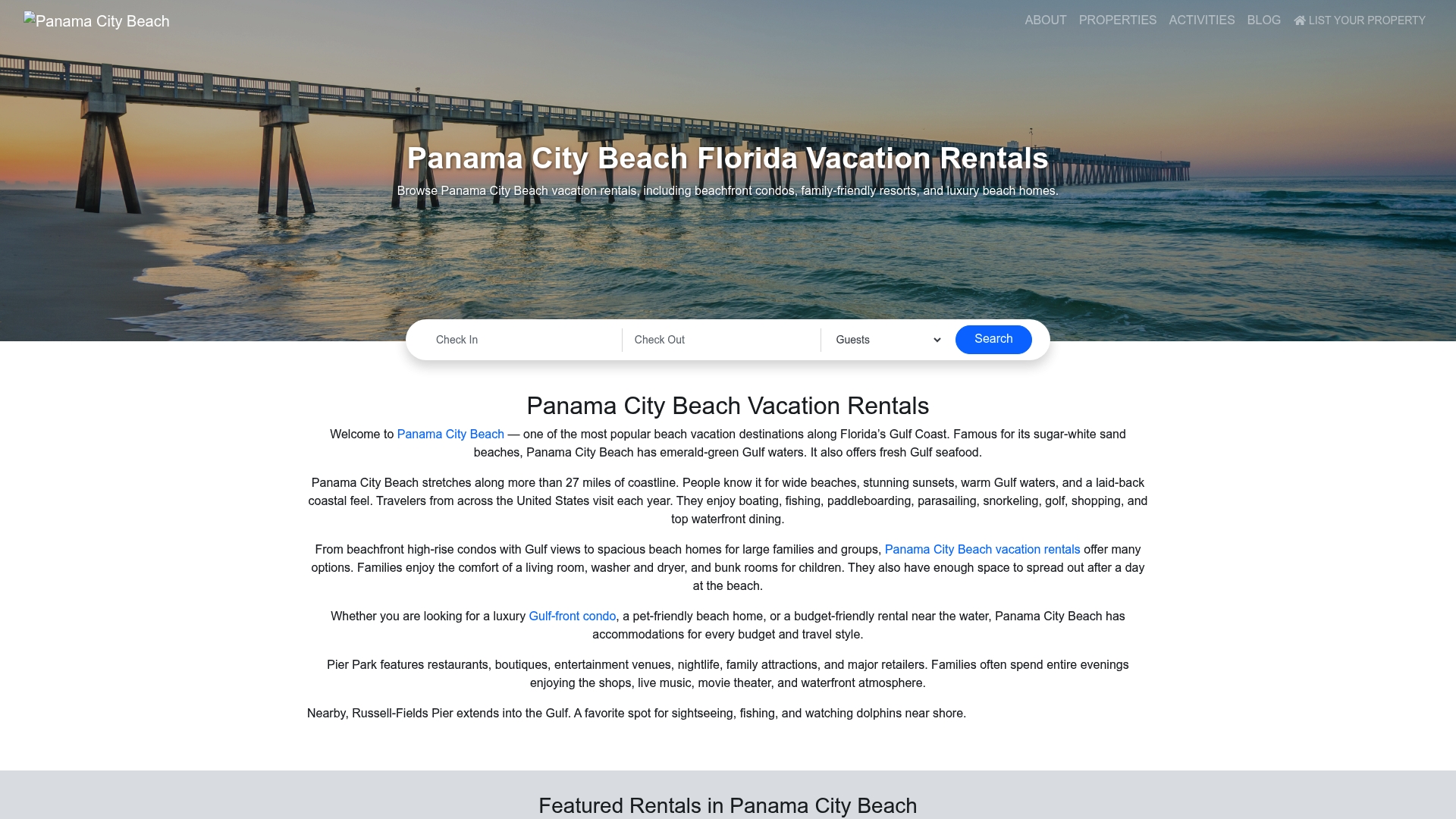
If you’ve already found a condo that’s actively listed, skip the records chase and send a message straight through the listing. Our vacation rentals page connects you directly with the owner or manager behind each property, which tends to be quicker than a county or DBPR request when you’re simply asking about booking a stay.
- Search by condo name or address to find the specific unit you have in mind.
- Use the inquiry form on the property page to ask about availability, pet policies, or rates before you commit.
- Mention your travel dates up front so the owner or manager can respond with a real answer, not just a form reply.
For guests who want extra peace of mind while booking, this guide to vacation rental safety covers smart habits for messaging and verifying a rental before you send any payment.
Sources
- Managing Entity Lookup For Online Account (DBPR)
- FAQ | Bay County Property Appraiser
- Florida Statutes (relevant condominium statutes)
- Community contacts and resources | City of Panama City Beach

About the Author
Joe Godar of the PanamaCityBeachFlorida.com Editorial Team creates destination guides, vacation-planning resources, and local travel content focused on Panama City Beach, Florida.
Our team researches local beaches, vacation rental trends, family activities, restaurants, attractions, events, and direct-booking best practices. Every guide is created to help travelers plan more confidently, experience the best of Panama City Beach, and avoid unnecessary third-party guest service fees.
PanamaCityBeachFlorida.com is part of the Emerald Coast by Owner marketing family, connecting travelers directly with verified vacation rental hosts throughout the Gulf Coast since 2016.
This article was reviewed for accuracy and updated using local destination research and current Panama City Beach vacation rental market insights.